A New Way to Measure and Mitigate Payer-Provider Friction
4.22.2026
 Share this post
 Share this post
Measuring payer-provider friction
Healthcare leaders know where there’s friction between payers and providers in healthcare administration—from prior authorizations to sharing medical records. What’s been missing is a consistent way to define and measure when that friction becomes something more costly and disruptive. Friction may always exist between payers and providers, who share similar goals but differing responsibilities. But abrasion goes beyond normal friction—introducing delays, rework, and downstream consequences that can impact care timelines, payment accuracy, and administrative efficiency.
The Availity Abrasion Index, a research-informed report, gives payers and providers a clearer view into where operational friction becomes abrasion—a breakdown in workflows that leads to rework, delays, and inefficiency. It examines the root causes and explores opportunities for payer-provider collaboration.
When abrasion can’t be named or measured consistently, it’s often managed through workarounds and one‑off fixes. But our research shows it’s a shared operational problem. And what can be measured can be improved.
In the Availity Abrasion Index, we measure abrasion across six domains:
Using quantitative surveys and qualitative interviews with healthcare leaders, we captured abrasion ratings on a scale of 1-5 (with 5 being the most abrasive). Among the insights:
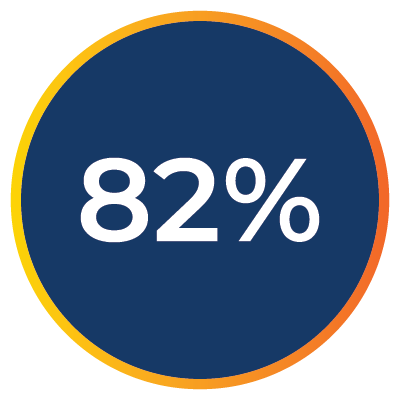
of providers agree initial denials and payer response times lead to delays in care.
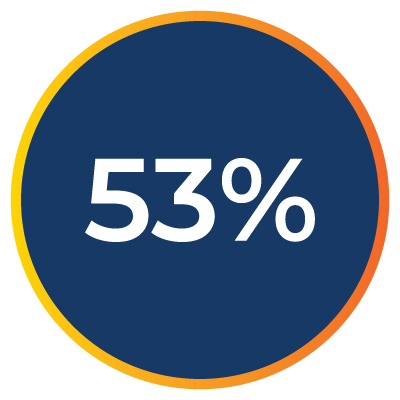
of payers, versus 24% of providers, report high abrasion in eligibility and benefit verification.
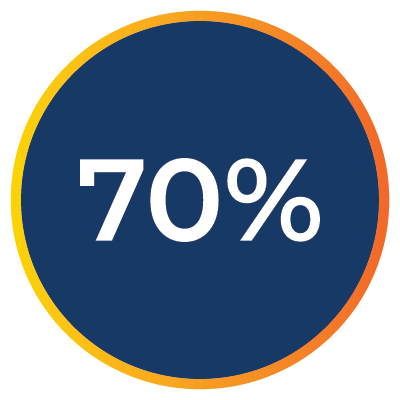
of payers rate payment integrity as highly abrasive, driven by multiple vendors reviewing the same accounts and complexity in payment rules that don’t always adjudicate properly on the first pass.
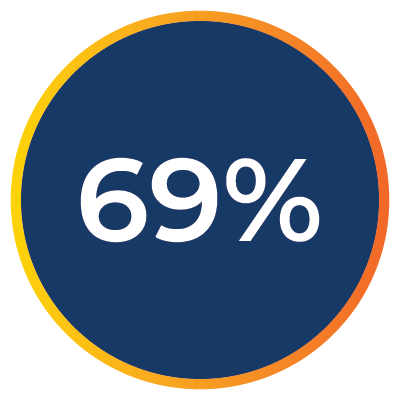
of providers think AI is used in claims decisioning, including denials.

Providers and payers agree that medical records requests rate 4 –5 on the abrasion scale.
The Availity Abrasion Index does more than identify problems. It provides insight into the underlying causes of abrasion and offers strategic recommendations for mitigating the risks. Key recommendations include:
Abrasion isn’t a vague concept but measurable payer-provider friction in shared administrative processes. When payers and providers share a common language to describe that abrasion, they can find more opportunities to collaborate on solutions. The Availity Abrasion Index gives us that common framework and provides guidance on how to mitigate abrasion.
Sean Barrett is the Chief Product Officer of Availity. Sean oversees Availity’s product strategy and development, focusing on enhancing the company’s suite of solutions to meet the evolving needs of healthcare providers and payers. With a deep understanding of the complexities within the healthcare ecosystem, Barrett will lead Availity’s efforts to streamline processes, reduce friction, and improve overall efficiency.

Sean Barrett
Chief Product Officer
Share this post